“I got a degree so I must be better than you”
Recently I read a post about degree versus no degree. We have all heard it before. From both sides. One having a go at the other. Name calling.
My perspective is from the archaeological background. This is were I have been working and: have my degree in. Yes I am one of them with a degree. And because of that I must be better? I got my BA in 2014 and my MSc in 2016. I started my PhD in April 2025. So I am going the full way. In archaeology a degree is something that seems to be quite the thing. You study years, you specialise, you become an expert. But what type of archaeologist do you become? And can you only become an expert if you study it?
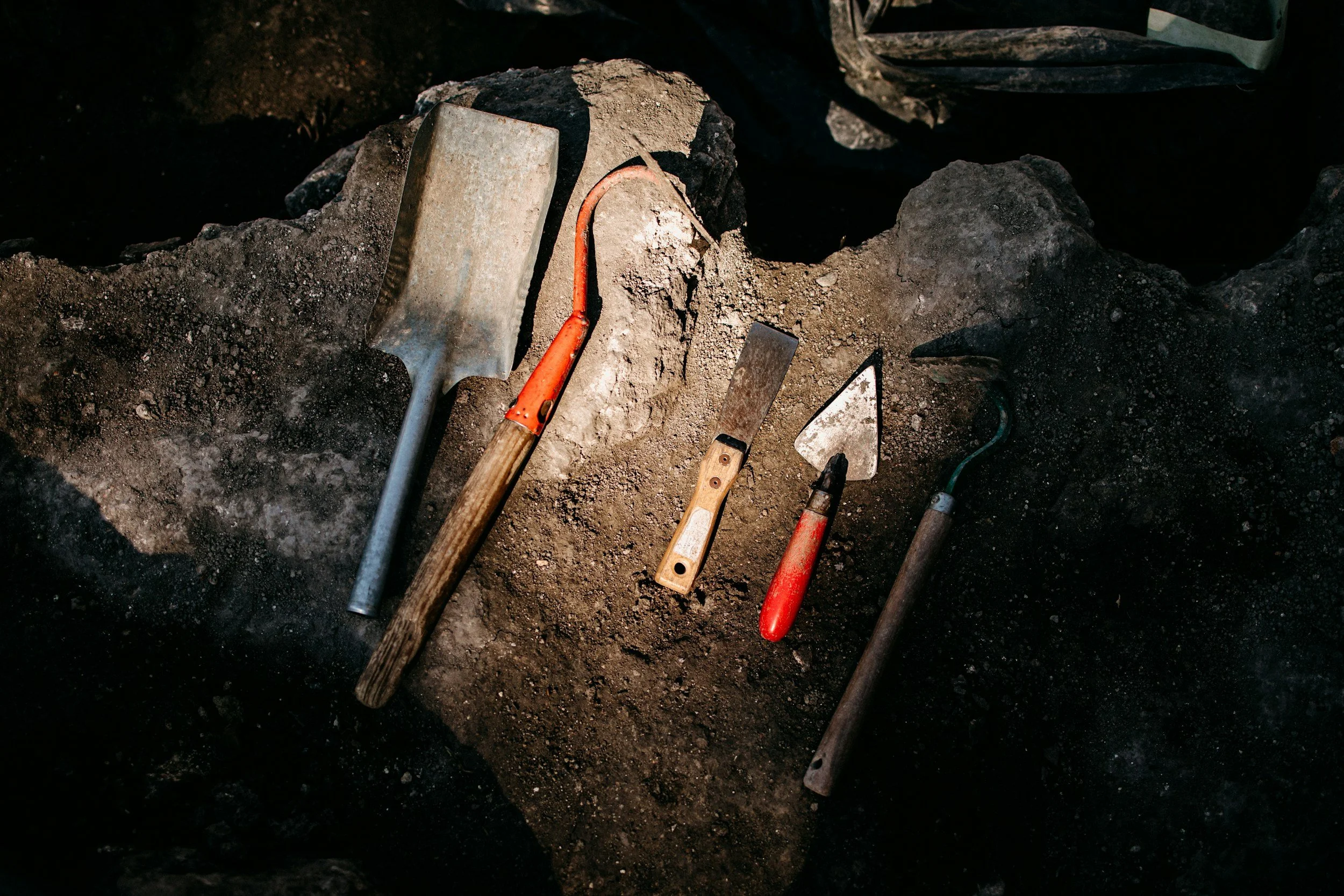
I have been so lucky that after my BA I went straight into the commercial sector in the UK, and guess what? I was in for a rude awakening! My degree had not prepared me for how roughly 90% of archaeological investigations was conducted by the commercial companies here in the UK. It hadn't prepared me for nuanced stratigraphy, for using equipment, for drawing with speed, for how different soil types feel under the trowel whether you tap it or scrape it. It hadn't prepared me for the ridiculously hard work in all weather and light. It hadn't prepared me for how I could actually be certain it was pottery and not a stone. Maybe toughest of all, it had not prepared me for how quickly you are expected to excavate a human skeleton (or any other find) and how, often, that can result in missed bones.
All of this I had to learn. Almost like I did another degree but all of it was in the field and if I did wrong, I would either be told off, laughed at or told how to do it differently. I went through all of them. Doing commercial archaeology 12 years ago is different than it is now (yes I am aware it isn’t that long ago but wow has it changed). I am sure it was the same for some people in 2014. From hand planning large enclosures on permatrace to just using GPS survey today. I miss hand planning. I miss using the dumpy. I miss having to do complicated maths to get the dumpy from street level down into a basement. I miss taking photos with a colour camera for then having to do it again with a black and white camera. So many of these things weren't taught or taught only very briefly at university level. Yes, I know that now there are placement years where you get experience and that is all good if you get to practise it in pouring rain, 30cm deep puddles and then freeze-conditions where the mattock will not breach the surface. Also teaching a Harris matrix. The amount of students or newly graduates that aren't sure what it is or how to do it is astounding. So what are we teaching these academics?
I know. It sounds like I am completely against a degree. I am not, but I got upset about the comment about stupid, not educated archaeologist. I just want people to realise a degree isn't everything. A degree is not what is going to make or break you. Some of the best people I have had the privilege to learn from does not have a degree, but I have never met anyone else with as much knowledge as them. How is it possible? Because what you need in many cases is the ability to see history. You don't necessarily need to know it, but you need have the ability to see it. The changes. Where did it break from a pattern? Is the break in pattern a disturbance from wildlife, from archaeological changes or modern events? A book can't teach you this. Only years of training your eyes to colour and soil changes will make you capable of this. Yes I have met newly graduated people with an amazing ability to do this. Some people are just gifted. A lack of degree does not make you STUPID! Which I unfortunately have seen said too many times. We need to start rethinking how we look at this.
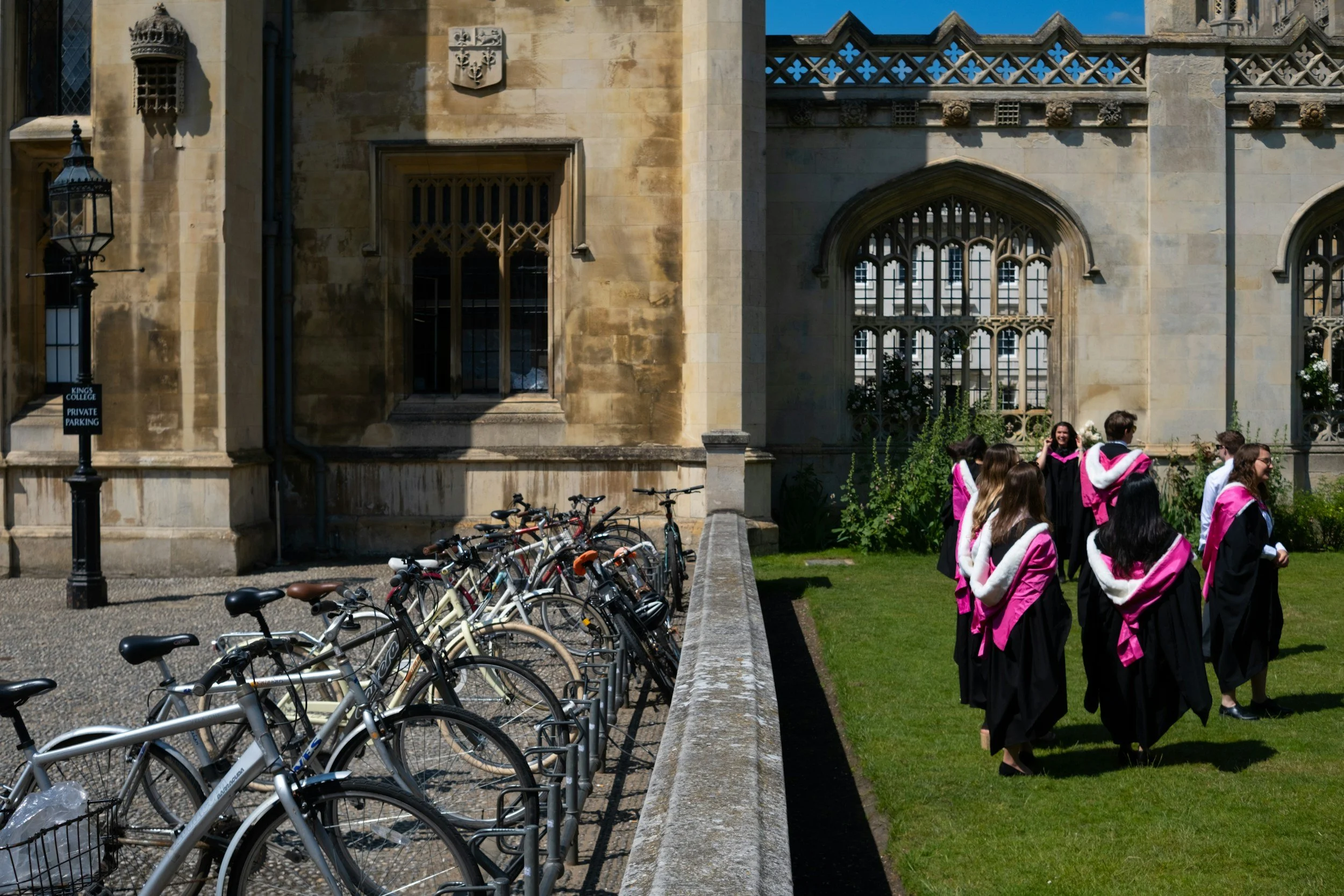
I do also want to speak for the degree. Because during my many years in the field, I have seen people with degrees been talked down. Some people mean we think we are above everyone else. I want to say that this is simply not true. Most archaeologists with a degree (most I have met) do not feel this way. Some of us do multiple degrees to specialise because we deeply care about archaeology and what we specialise in. I myself have specialised in osteology. This is what I absolutely love to do. But while working in the field I experienced being ignored for my expertise, and I have seen others being ignored too. I would love to share my knowledge with others in the fields. The more we all know the better we will be as a team.
We need to work together. As I was writing this I also was so lucky to listen to Malin Holst talk at this years BABAO conference regarding commercial and academic difficulties. Her insight into both worlds is something we can take on board and use to change how we do things. I speak from a bioarchaeologist point of view, as does Malin, however, it applies to every specialised field. Why cant we use each other when we are out digging? Why can’t we see the strong points we have and utilize that in the field. Imagine how much quicker we could become. How much more efficient, but most importantly how much the quality would improve if we did. Maybe we could also become a bit less judgmental of each other. Take onboard that we all are different. A person without a degree is not clueless, they might have much more knowledge that anyone else, in a few certain areas. The academic must realise that but offer their specialised training when and where it is needed. The academic must also be allowed in. Because that person without a degree cannot know it all and that is were we work together. The mix of knowledge is what makes archaeology so special and if you embrace it, it is really rewarding.
There are a whole lot of people with expertise. Metal detectorists, mudlarks, local community historian, academics and non-degree archaeologists amongst a few.
Neither is better than the other.
Remember that.
Ps. This is my point of view, I would love an open discussion about this if anyone feels differently.
